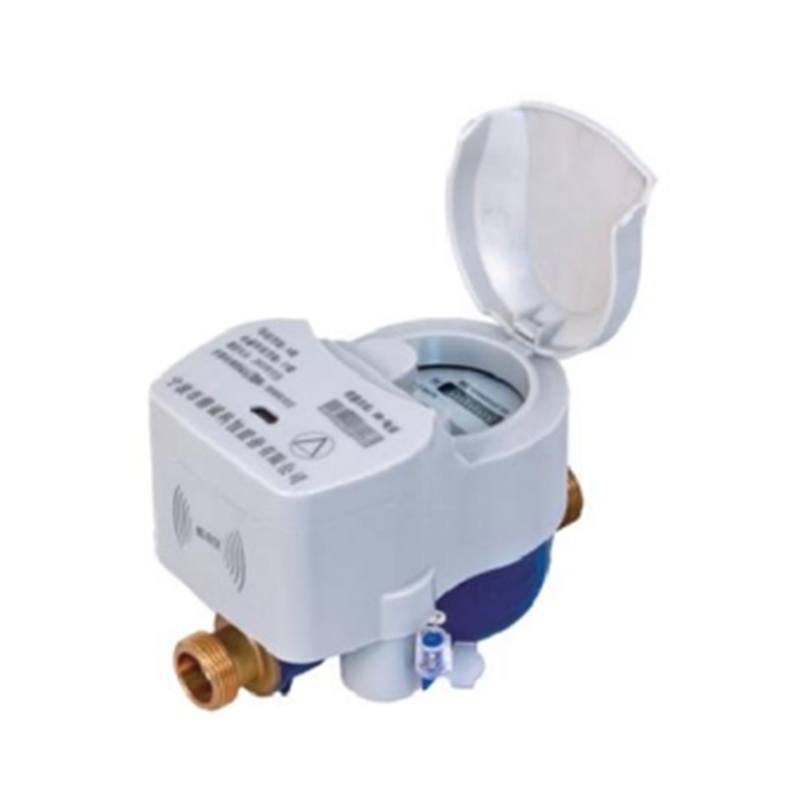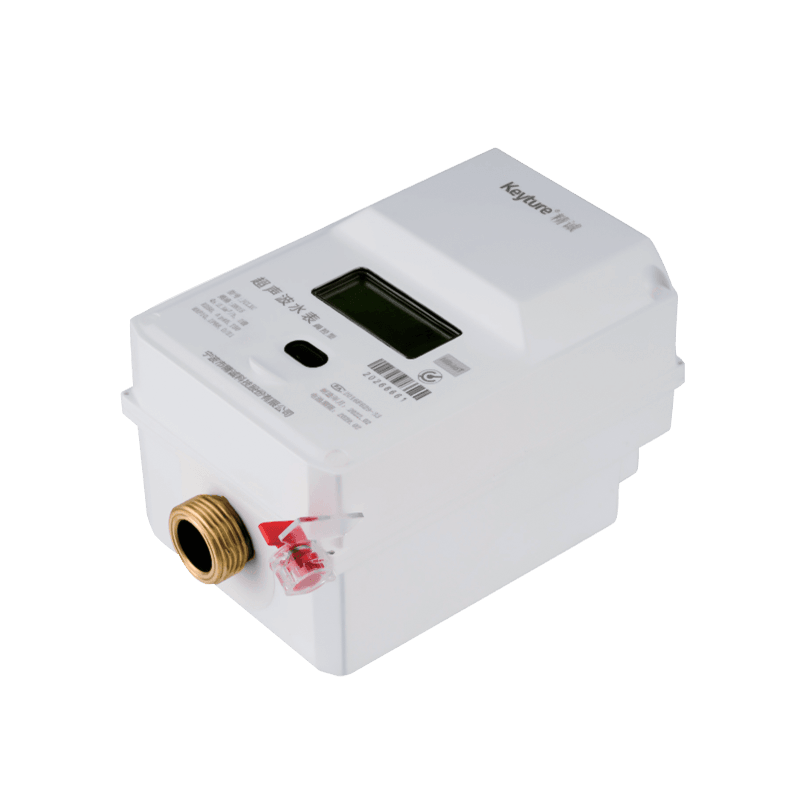



Se sua última conta de água chegou com um número que fez você olhar duas vezes, seu hidrômetro é o melhor lugar para começar a investigar. Este dispositivo compacto mede o volume de água que flui para sua casa e faz mais do que determinar quanto você deve: também revela se um vazamento oculto está inflando silenciosamente essa quantidade. A leitura leva menos de cinco minutos quando você sabe o que procurar. Este guia explica como encontrar seu medidor, como ler displays analógicos e digitais, como usar o medidor para detectar vazamentos e como comparar suas próprias leituras com sua fatura mensal.
Verificar regularmente o hidrômetro é uma das maneiras mais simples de manter o controle dos custos de água. Os benefícios são imediatos e práticos:
É por isso que encanadores e técnicos de serviços públicos tratam o medidor como a primeira ferramenta de diagnóstico: ele fornece números concretos sobre o que está acontecendo dentro de seus canos.
Seu hidrômetro está quase sempre em um de dois locais: fora, próximo aos limites de sua propriedade, ou dentro, próximo ao cano de abastecimento principal. Comece ao ar livre e depois verifique em ambientes fechados se nada corresponde à descrição abaixo.
Na maioria das propriedades unifamiliares, o medidor fica próximo à rua, no jardim da frente, ao lado da calçada ou ao longo da entrada de automóveis. Muitas vezes é posicionado em linha reta com a torneira externa na parede frontal da casa. Em lotes de esquina, o medidor pode ficar no pátio lateral onde a linha de serviços públicos entra na propriedade.
Em climas mais frios ou em edifícios com subsolo, o medidor é normalmente montado próximo à válvula de corte principal, onde a linha de abastecimento entra na fundação. Em casas sem subsolo, verifique a garagem, a despensa ou o armário embaixo da pia da cozinha.
Independentemente da localização, o medidor é colocado em uma caixa de metal ou plástico pesado, e a tampa geralmente é marcada como “ÁGUA” ou com o nome do utilitário. Limpe a sujeira solta antes de abrir. Ao levantar a tampa, faça-o lentamente: as caixas dosadoras abrigam insetos, aranhas e, ocasionalmente, pequenos animais. Se a tampa estiver travada, entre em contato com a concessionária de água ou com o gerente da propriedade em vez de forçá-la a abrir, pois forçar a abertura pode danificar a caixa, o medidor ou os tubos de conexão.
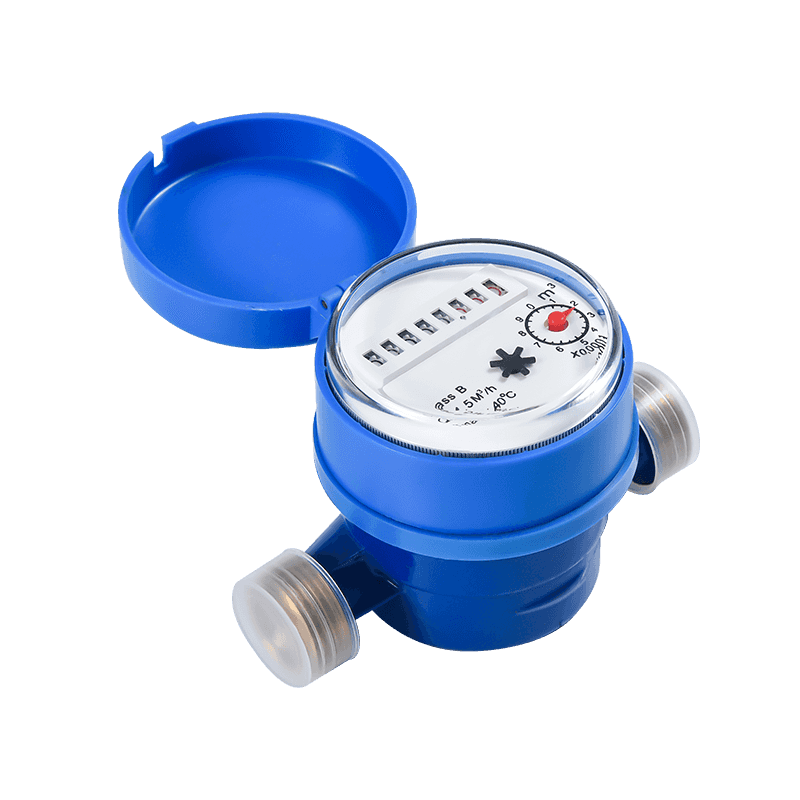
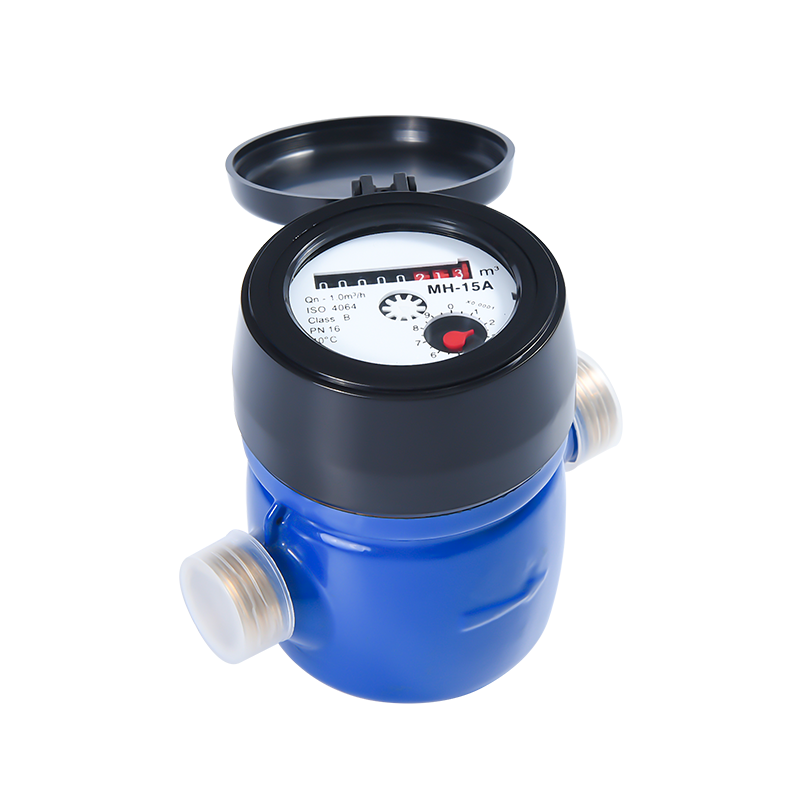
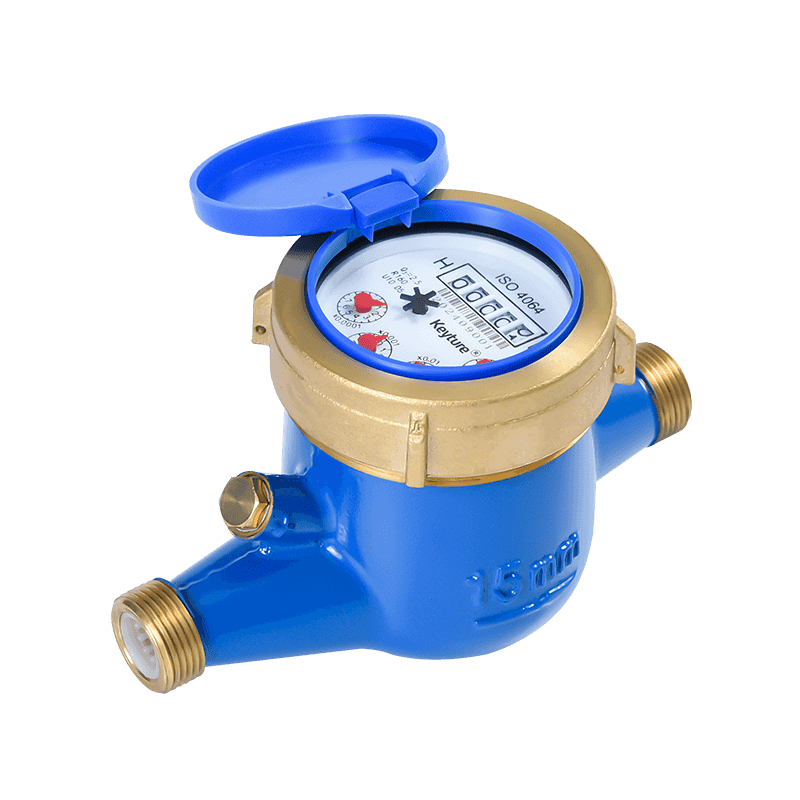
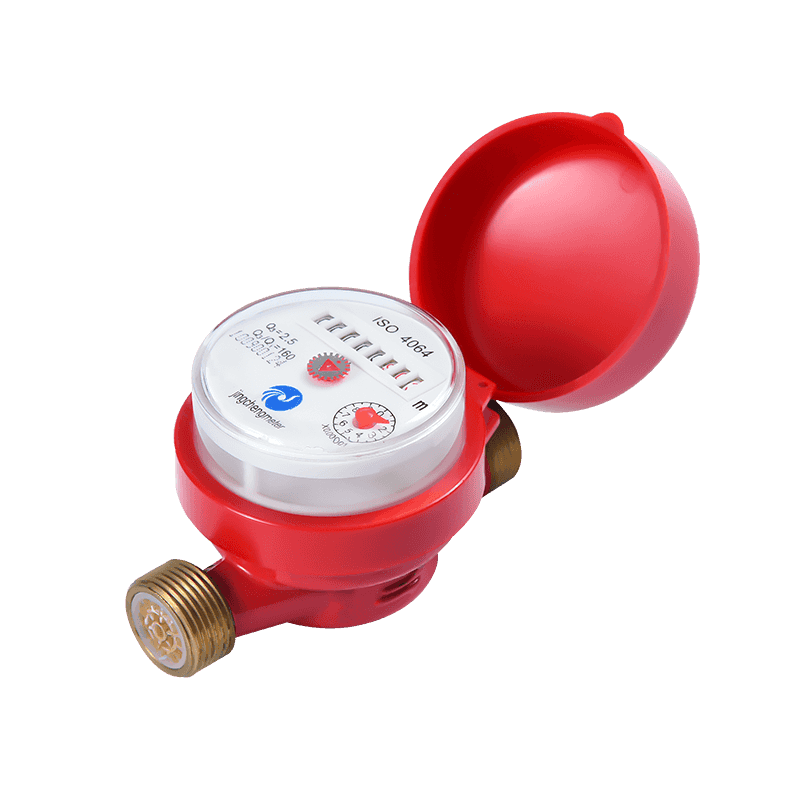
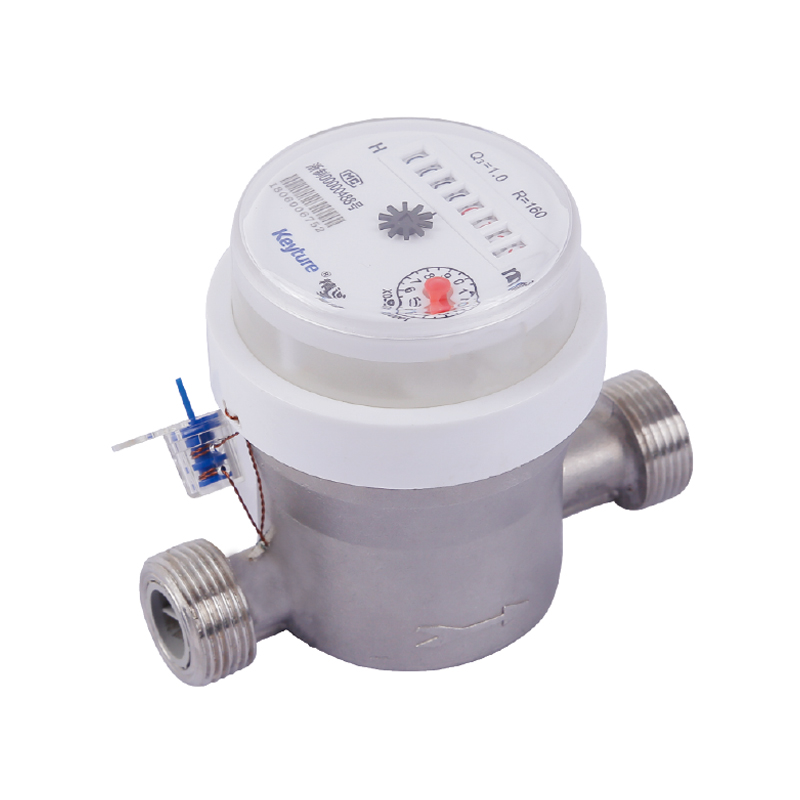
Assim que a caixa estiver aberta, identifique primeiro o tipo de medidor. Se você vir uma fileira de números no estilo hodômetro, mostradores redondos com ponteiros e um pequeno triângulo ou estrela giratório, é um medidor mecânico analógico. Se você vir uma tela eletrônica, é um medidor digital. Ambos medem a mesma coisa – o volume total de água que passou pelo medidor – mas o método de leitura difere ligeiramente.
O registro analógico registra o consumo total. Veja como lê-lo corretamente:
| Cadastre-se | × 100.000 | ×10.000 | ×1.000 | ×100 | ×10 | ×1 | Decimais (vermelho) |
|---|---|---|---|---|---|---|---|
| Dígito mostrado | 1 | 2 | 4 | 5 | 7 | 3 | 6 |
Neste exemplo a leitura faturada é 124.573. O 6 vermelho representa 0,6 da última unidade e é ignorado. Se o medidor registrar em galões, 124.573 galões passaram pelo medidor desde a instalação ou reinicialização.
Em seguida, encontre o indicador de baixo fluxo: um pequeno triângulo, estrela ou engrenagem metálica giratória no mostrador. Ele gira sempre que a água passa pelo medidor, mesmo a uma velocidade muito lenta para mover o mostrador principal. Este componente é a chave para os testes de vazamento na próxima seção.
Por fim, observe a unidade de medida impressa na face do registro. Os medidores residenciais nos EUA geralmente são lidos em galões ou pés cúbicos; a maioria dos medidores internacionais é lida em metros cúbicos. Um pé cúbico equivale a cerca de 7,48 galões e um metro cúbico equivale a cerca de 264,17 galões. Ao verificar uma fatura, certifique-se de que as unidades correspondem às unidades do seu medidor.
Os hidrômetros digitais exibem o volume total diretamente em uma tela de cristal líquido, portanto, nenhuma interpretação é necessária. A tela pode mostrar um número contínuo ou percorrer vários valores. Em alguns modelos, pressionar o botão óptico na face alterna entre volume total, vazão instantânea e códigos de diagnóstico; o volume total é o valor do faturamento.
Como o registro é eletrônico, esses medidores costumam ser lidos remotamente. Talvez você não precise abrir a caixa e seu utilitário pode oferecer uma conta online ou aplicativo com histórico de uso. A mais nova categoria, medidores de água ultrassônicos modernos , mede a vazão por meio de ondas sonoras e não possui peças mecânicas móveis, o que melhora a precisão a longo prazo e reduz o desgaste; seu display digital é lido exatamente da mesma maneira que qualquer outro medidor eletrônico.
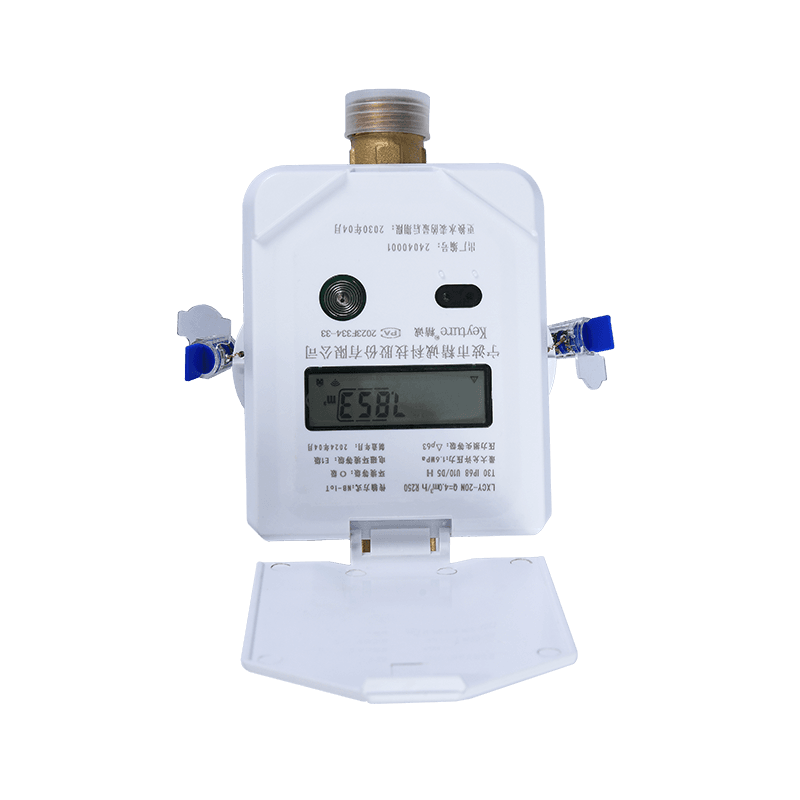 Medidor de água ultrassônico doméstico personalizado Dn15~Dn25 Fornecedores, Fábrica OEM/ODM - Ni Ningbo Jingcheng Technology Co, ltd é um fornecedor personalizado de medidor de água ultrassônico doméstico Dn15 ~ Dn25 na China e uma fábrica OEM / ODM, detalhes: Ultrassônico ... Ver Produto →
 Os dois testes abaixo detectam vazamentos contínuos, como uma válvula de vaso sanitário que não fecha novamente, uma torneira pingando ou uma válvula de irrigação emperrada. Vazamentos intermitentes são mais difíceis de detectar, mas vale a pena investigar se você notar movimentos ocasionais do indicador.
Esta é a maneira mais rápida de verificar se há vazamentos e leva menos de cinco minutos:
Este teste determina se o vazamento está dentro da casa ou na linha de serviço subterrânea entre a válvula da propriedade e o edifício:
| Resultado do teste | Localização provável | Ação recomendada |
|---|---|---|
| O medidor para depois que a válvula principal é fechada | Vazamento dentro de casa | Inspecione banheiros, aquecedores de água e torneiras |
| O medidor ainda funciona, mas para quando a válvula de irrigação é fechada | Vazamento no sistema de irrigação | Reparar ou substituir a linha de irrigação |
| O medidor ainda funciona com as válvulas principal e de irrigação fechadas | Vazamento na linha de serviço subterrânea | Chame um encanador licenciado para uma inspeção de linha |
Após o teste, reabra a válvula de corte principal e feche bem a tampa da caixa do medidor.
Para calcular o seu consumo de água, subtraia a leitura anterior da atual:
Uso = Leitura atual - Leitura anterior.
Se a leitura do mês passado foi 45.210 e a leitura atual é 46.930, você usou 1.720 unidades – galões, pés cúbicos ou metros cúbicos, dependendo do metro. Multiplique isso pela sua taxa por unidade para estimar a conta.
| Unidade | Equivalente aproximado | Uso típico |
|---|---|---|
| 1 pé cúbico (ft³) | 7,48 galões americanos | Medidores residenciais nos EUA |
| 1 metro cúbico (m³) | 264,17 galões americanos | Medidores comerciais internacionais e de grande porte |
| 1.000 galões | 3,79 metros cúbicos | Grandes extratos de faturamento nos EUA |
Compare seu uso calculado com o consumo listado na fatura. Uma lacuna grande significa um vazamento que você não encontrou ou um erro na leitura do utilitário. Registre a leitura do medidor uma vez por semana no mesmo horário; um simples registro facilita a detecção de consumo anormal antes da chegada da próxima conta.
Entre em contato com sua concessionária de água ou gerente de propriedade. As caixas dos medidores são geralmente tratadas como propriedade utilitária, e abrir uma tampa trancada pode danificar a caixa ou o medidor. A maioria dos utilitários irá desbloqueá-lo gratuitamente.
Execute primeiro os dois testes de vazamento, pois um vazamento não detectado é o motivo mais comum para uma incompatibilidade. Se nenhum vazamento aparecer, tire uma foto do display do medidor com a data e a leitura atual e entre em contato com a concessionária. Eles podem verificar novamente o medidor e corrigir a conta se houver um erro.
Limpe a lente com um pano seco. Não use produtos químicos de limpeza nem abra a caixa do medidor. Se a névoa ou a umidade persistirem, a vedação poderá ser danificada e o medidor poderá precisar de manutenção – informe a concessionária.
Na maioria dos casos, não. Os medidores de leitura remota enviam leituras automaticamente para a concessionária e você pode visualizar seu uso por meio do aplicativo da concessionária ou da conta online. Verificar a tela ocasionalmente ainda é um hábito útil para detectar anomalias entre os ciclos de faturamento. Se você gerencia um edifício com várias unidades ou uma comunidade e deseja eliminar as visitas manuais ao local, soluções de medidor de água remoto sem fio são adequados; para locais onde a fiação já está instalada, o faixa de medidor de água remoto com fio fornece a mesma automação através de uma conexão de cabo.
 Fabricantes de medidores de água remotos com fio no atacado, fábrica Tecnologia Co. de Ningbo Jingcheng, ltd. é um fabricante de medidor de água remoto com fio na China e uma fábrica de atacado, oferece medidor de água remoto com fio ... Ver Produto → Fabricantes de medidores de água remotos sem fio por atacado, fábrica Tecnologia Co. de Ningbo Jingcheng, ltd. é fabricante e fábrica de medidor de água remoto sem fio na China, oferece válvula remota sem fio no atacado ... Ver Produto →
 Saber como verificar seu hidrômetro transforma uma conta confusa em uma ferramenta na qual você pode agir. Leia o registro uma vez por semana, registre o número e lembre-se dos dois testes de vazamento sempre que o consumo aumentar. Alguns minutos na caixa economizam dinheiro, evitam danos materiais e ajudam você a usar a água com responsabilidade. Se você é um gerente de propriedade ou profissional de serviços públicos que está avaliando como passar da leitura manual para a coleta automatizada, os sistemas de medição inteligente apresentados neste site mostram o que é possível em escala residencial e comunitária.
AnteriorComo ler um medidor de água: guia passo a passo para proprietários
nextDesvantagens do medidor de água: 7 desvantagens honestas a serem consideradas

Address: No.168, Linmu Rd., Zona B, Jiangbei Investment Park, Ningbo, Zhejiang, China
Tel: +86-0574-83090480/+86-18892665118
Fax: +86-0574-83021045
Email: [email protected]
Web: https://www.keyturremeter.com/
Links rápidos
Produto
Terminal móvel